Skip to content

AI

DHRN Seminar: Leading by (sceptical) Example: Implementing a Consistent Approach to Generative AI in Teaching

Jacq Jones (they/them), La Trobe University. Thursday 12 February.
A position statement on Generative AI (GenAI) in Teaching and Research was developed at La Trobe University in response to the rapid adoption of these technologies by both students and tertiary institutions, and implemented into all courses from September 2025. In the talk, we present a summary of the position statement and examples of how it has been integrated into undergraduate classes, including discussion, pre-bunking activities, and changes to assessment design.

DHRN Seminar: I Hope this Helps: Comparing Emotional Content of Physician & Chatbot Responses to Health Queries

Danny Burns (University of Wyoming). Monday 16 February.
Recent surveys suggest that a large portion of the population is open to using generative artificial intelligence (AI) for health-related questions. While prior research has primarily focused on the factual accuracy of AI-generated responses, some studies indicate that both physicians and patients often prefer chatbot-generated text over physician-written responses.

Muslims and multiculturalism in NZ: Tracking online anti-Muslim racism in Aotearoa

Like all newcomers to New Zealand past and present, I’ve sought to find my place in the land of the long white cloud. But, preoccupied with the coursework for a Master in Strategic Communication at the University of Canterbury, there wasn’t really much time to ponder my place – a student from the Philippines – in this bicultural society.

Arts Digital Lab Seminar: Reimagining Search & Discovery for Digital Collections: Toward Computing Cultural Heritage

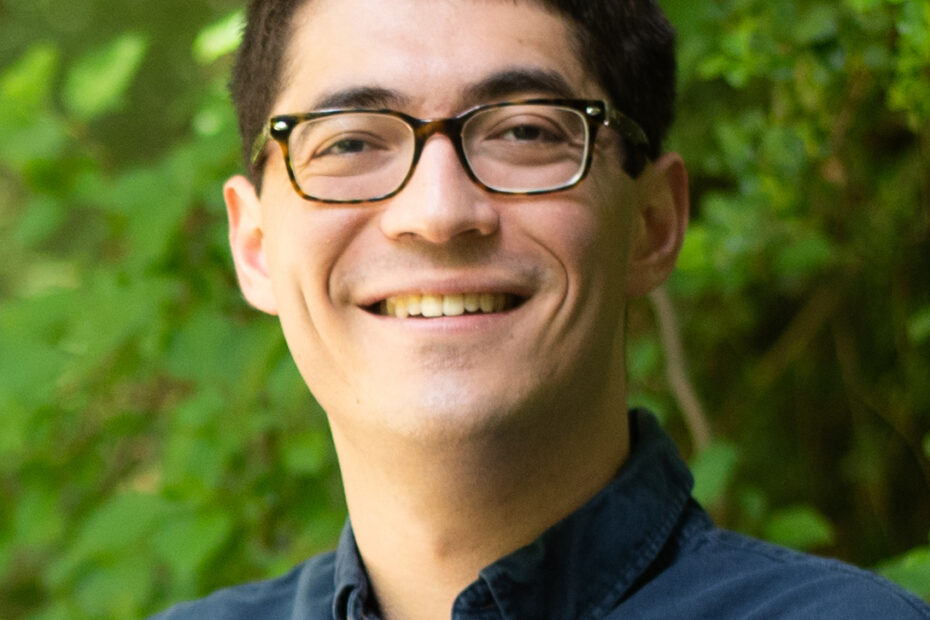
Tuesday 29 October, 11 am – 12Meremere 105 Benjamin Charles Germain Lee (University of Washington) Widespread efforts by libraries, archives, and museums have drastically improved digital access to cultural heritage collections. Yet, scholars and the public alike face a persistent challenge: how to explore and analyze these collections, which frequently… Read More »Arts Digital Lab Seminar: Reimagining Search & Discovery for Digital Collections: Toward Computing Cultural Heritage

Election Special: Is Artificial Intelligence Dangerous for Democracy?

Find out how to avoid fake news and get the real deal before voting. Get up to speed with the latest developments in AI, social media and journalism with researchers from the University of Canterbury.  Dr Zita Joyce (Head of Department of Media and Communication) and Professor Donald Matheson (Media… Read More »Election Special: Is Artificial Intelligence Dangerous for Democracy?

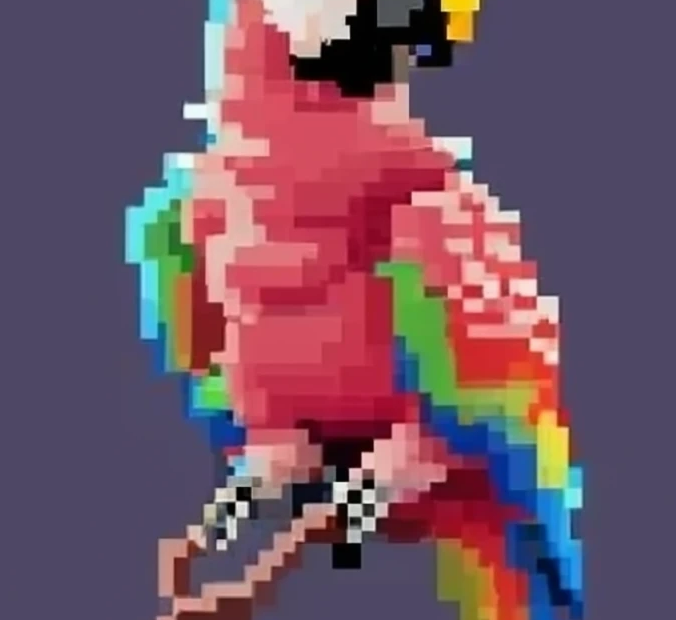
Craiyon generated image of a pixel art parrot

Digital Humanities Research Network: On the Dangers of Stochastic Parrots

Join us for a casual discussion of the paper On the Dangers of Stochastic Parrots: Can Language Models Be Too Big? 🦜 Emily M. Bender, Timnit Gebru, Angelina McMillan-Major, and Shmargaret Shmitchell. 2021. On the Dangers of Stochastic Parrots: Can Language Models Be Too Big? 🦜 In Proceedings of the… Read More »Digital Humanities Research Network: On the Dangers of Stochastic Parrots

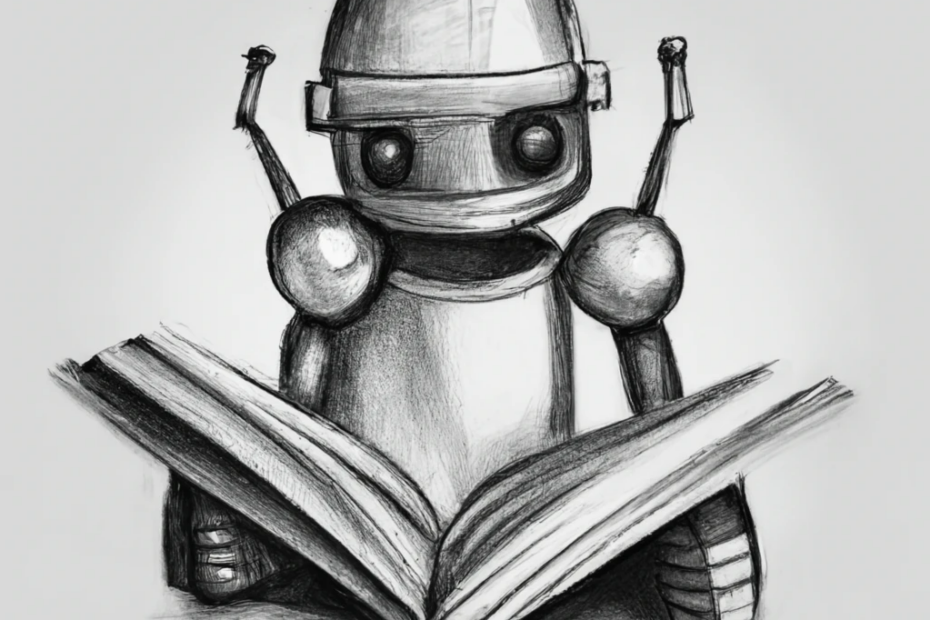
Craiyon-generated image of a robot reading a book

Arts Digital Lab Seminar: Language Models and Reading Across Stories

Computational approaches to language modeling and translation, an active area of research for more than 75 years, have hit the mainstream. Writers, teachers, and readers have been encountering writing evaluators in wide deployment since the late 1990s, machine translation made readily available since the mid-2000s, procedurally generated text adventures since… Read More »Arts Digital Lab Seminar: Language Models and Reading Across Stories