Skip to content

ADL Seminar

Seminar: Beauty Bound by British Propaganda: Literary Annuals, Colonial Print & Digital Archives

Thursday 19 March, 11 am – 12 noon
Puaka James Hight 210
Katherine D. Harris (San Jose State University)
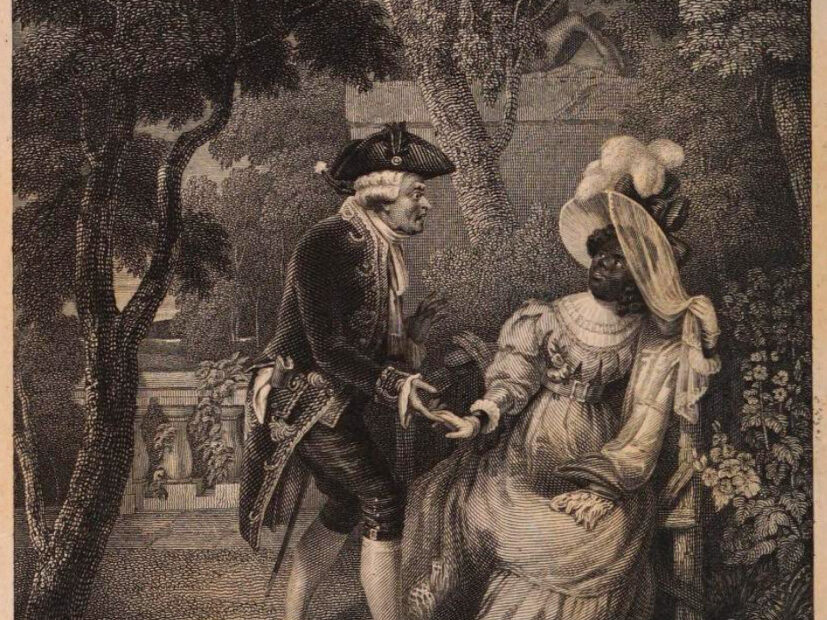
In the short story, “Uncle Anthony’s Blunder,” a gentleman approaches a young lady whose back is turned to him. From behind, she is dressed in fine clothing with hands covered by gloves. Before waiting for her to turn around, the older man, Antony Nesfield, blurts out a proposal of marriage, however, when she turns around, he discovers that she’s Jamaican and Black – a case of mistaken identity. The engraving and following short story appear on page 231 of a 343-page duodecimo volume, published in the 1833 Forget Me Not, a literary annual title that first appeared in 1823 and lead the revolution in combining the almanac, women’s conduct manuals, and emblem books.

February DHRN Seminar: The Digital Entertainment Machine research project: early findings and emerging ideas

Emily Cousins (University of Southern Denmark) Are your days shaped by the sounds of personalised playlists or podcasts? Perhaps you consume video reels or curate online pinboards? Or maybe you relax and recharge with some streaming or gaming? In this seminar, Emily will introduce the Digital Entertainment Machine (DiEM) research… Read More »February DHRN Seminar: The Digital Entertainment Machine research project: early findings and emerging ideas

Arts Digital Lab Seminar: From robot quadrupeds to drone swarms: using digital methods to analyse debates on lethal autonomous weapons

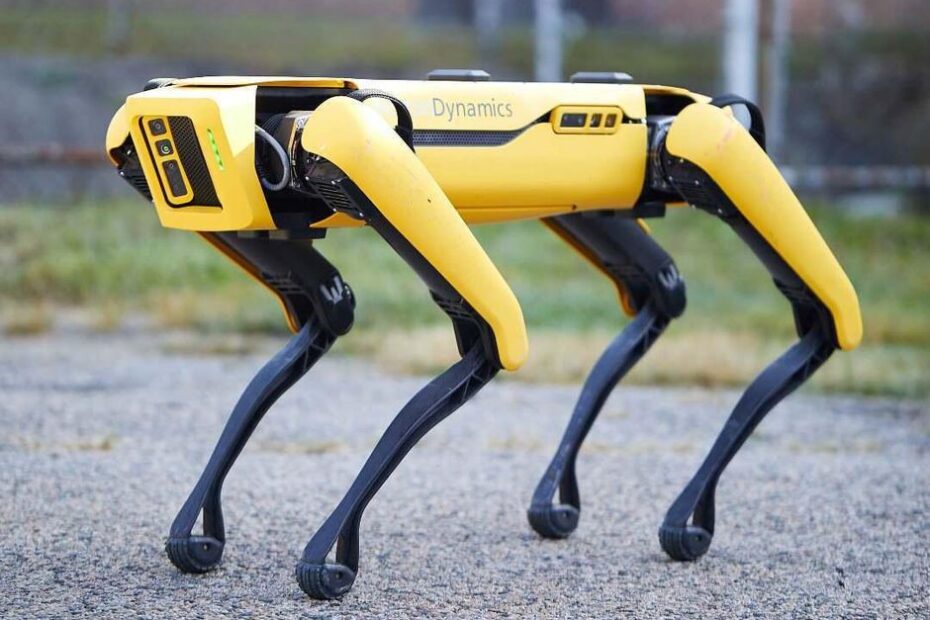
Dr Geoff Ford, Digital Humanities / Political Science and International RelationsAssociate Professor Jeremy Moses, Political Science and International Relations In this seminar we will discuss our recent research on robot quadrupeds and drone swarms. This research has involved collecting and analysing large data-sets of texts using digital methods. We will… Read More »Arts Digital Lab Seminar: From robot quadrupeds to drone swarms: using digital methods to analyse debates on lethal autonomous weapons